AGROFIN offers fine and industrial cocoa with high standards of quality, traceability, and batch consistency. We work with four main plant materials, each with distinct productive and sensory attributes.
Vigorous plant, good ear setting and stable field performance.
Grain Quality
Medium to large size, good almond formation.
Postharvest
It responds well to controlled fermentation protocols, with a lower incidence of "flake".
Recommended Use
Mixtures for homogeneous batches oriented towards chocolate bars and fine confectionery.
Fermentation Parameters
• Fermentation objective: 75–85 %
• Slate-colored: ≤ 8 %
• Molds: ≤ 2 %
• Comment: Very good development of aromas if times and turnings are respected.
Productive Profile
Cocoa variety 801
Adequate adaptation to different soil conditions; relative tolerance to common diseases.
Grain Quality
Uniform grain that facilitates sorting.
Postharvest
It develops balanced aromatic notes under standard fermentation.
Recommended Use
Aromatic bases for chocolates with a higher percentage of cocoa.
Fermentation Parameters
• Fermentation objective: 70–80 %
• Slate-colored: ≤ 8 %
• Molds: ≤ 2 %
• Comment: Aromatic and balanced; responds well to fermentation for 5–6 days.
Productive Profile
Cocoa variety CCN-51
Fat content suitable for industry; acidity controllable with fermentation protocols.
Grain Quality
Medium to large size, good almond formation.
Postharvest
It requires technical handling to moderate astringency and acidity.
Recommended Use
Industry of coatings, blends and bulk tablets, guaranteeing consistency.
Fermentation Parameters
• Fermentation objective: 65–75 %
• Slate-colored: ≤ 10 %
• Molds: ≤ 2 %
• Comment: The priority is to control acidity; more frequent turning and gradual drying.
Productive Profile
Cocoa variety PMA-12
Competitive performance with good response to technical handling.
Grain Quality
Well-formed almond, suitable for differentiation by origin.
Postharvest
It favors cleaner sensory profiles when staged fermentation is applied.
Recommended Use
Special batches and premium lines with an emphasis on traceability.
Fermentation Parameters
• Fermentation objective: 70–85 %
• Slate-colored: ≤ 8 %
• Molds: ≤ 2 %
• Comment: It allows differentiating profiles when the process is done in stages.
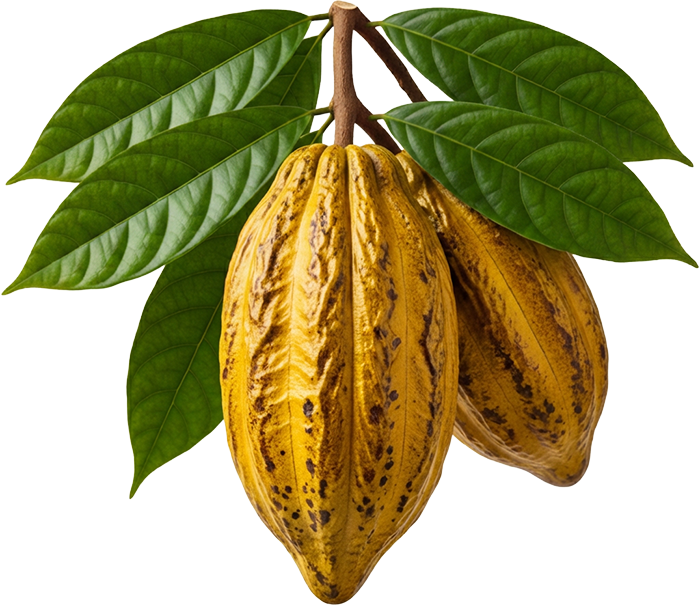
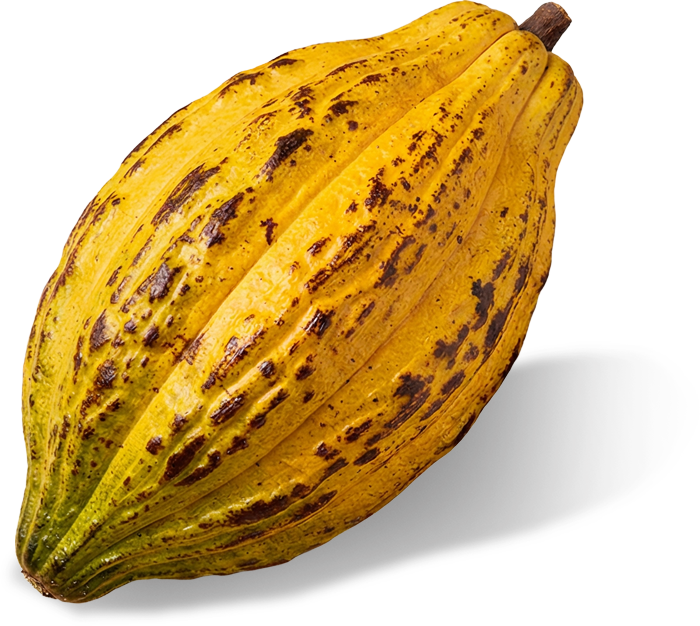
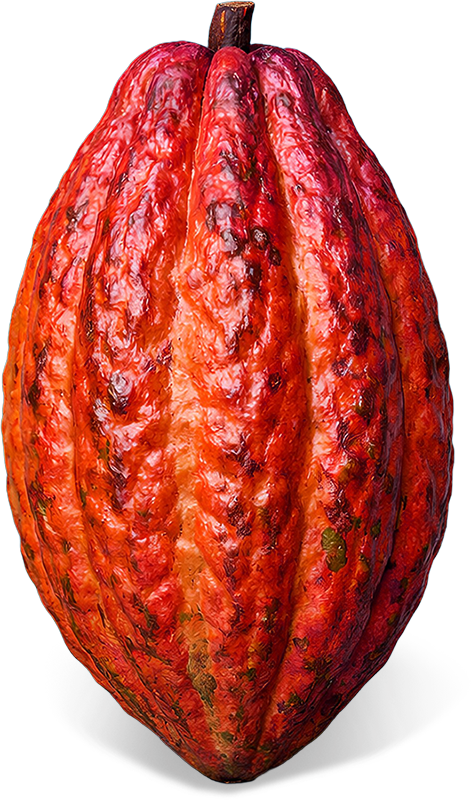
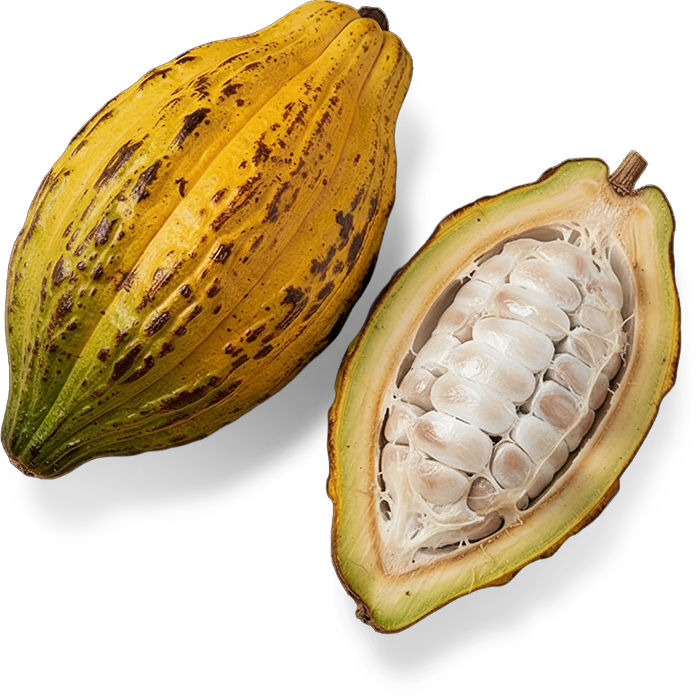
4 varieties of cocoa produced at Agrofin
Physical and quality parameters
Parameter
Target range
Technical observation
Humidity
6,5 % – 7,5 %
It prevents mold, preserves aroma, and reduces the risk of mycotoxins.
Impurities (sticks, stones, etc.)
≤ 1,0 %
Sorting and cleaning prior to packaging.
Foreign matter
0 %
No foreign objects of any kind are allowed.
Flat grains / empty
≤ 3 %
It is controlled in selection.
Broken grains
≤ 3 %
Minimizes oxidation and fat loss.
Moldy grains
0–2% (max.)
Batches with visible mold are rejected.
Slate grains (unfermented)
≤ 5–8 %
It depends on the profile requested by the client.
Live insects / larvae
0 %
Strict storage control.
Strange smells
0 %
No smell of smoke, diesel, dampness or chemicals is allowed.
Use: When a client requires stricter protocols (e.g., ≤ 6.5% humidity), we adapt the process.
cocoa in Agrfín
Drying and storage
Aspect
Reference specification
Type of drying
Preference for indirect or controlled solar drying
Temperature
45–55 °C (avoid higher temperatures to prevent overcooking the grain)
Estimated time
5–7 days (depending on weather and system)
Insect activity
Control with integrated management, without chemical contamination
Storage
Clean jute or polypropylene sacks with liners, on pallets
Environment
Dry, ventilated, without contact with walls, floors or moisture
Cocoa derivatives
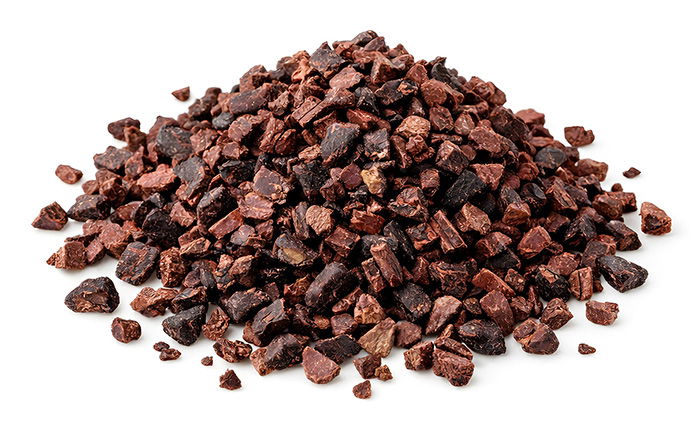
Cocoa nibs
Made from selected grains of varieties 800, 801, CCN-51 and PMA12.
Features: controlled roasting, clean hulling and homogeneous cutting.
Applications: Chocolate shop, healthy foods, pastries and toppings.
Technical references:
Humidity: 1,5–2,5 %
Residual husk: ≤ 2 %
Toasted: controlled according to profile (light, medium, medium-high)
Metals and foreign bodies: 0 %
Cocoa derivatives
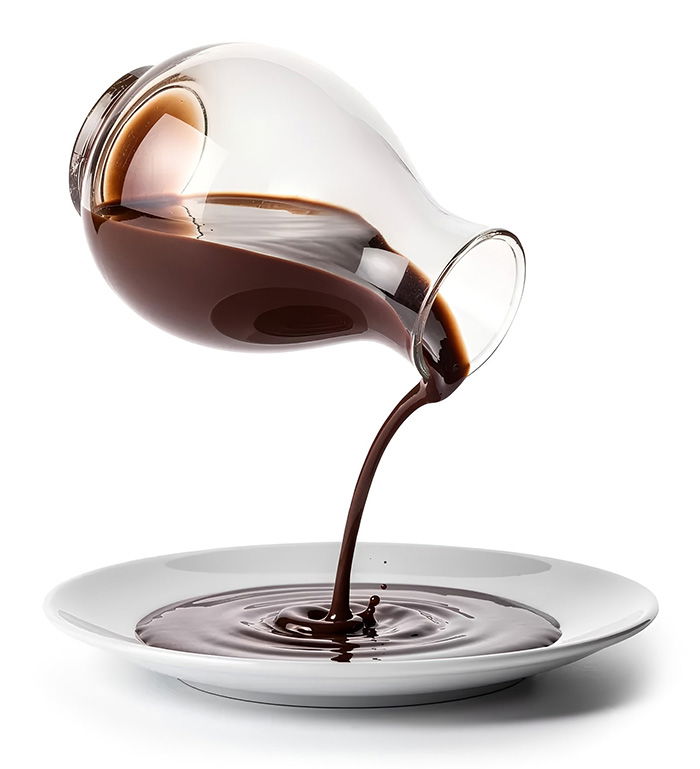
cocoa paste / liqueur
Produced exclusively with raw materials from our traceable varieties and batches.
Features: fine grinding, stable flow, and consistent sensory profiles.
Applications: chocolates, coatings, fillings and industrial formulations.
Technical references:
Grinding degree (fineness): 20–30 microns (depending on the customer)
Natural cocoa fat: It depends on the variety (typically 50–55%)
Additives: 0 % (100 % cacao)
Uniformity: without lumps, without phase separation


 English
  Español
  Français
  日本語
日本語  香港中文
香港中文  한국어
한국어  العربية